Retail
How to read a shill tweet without getting rekt
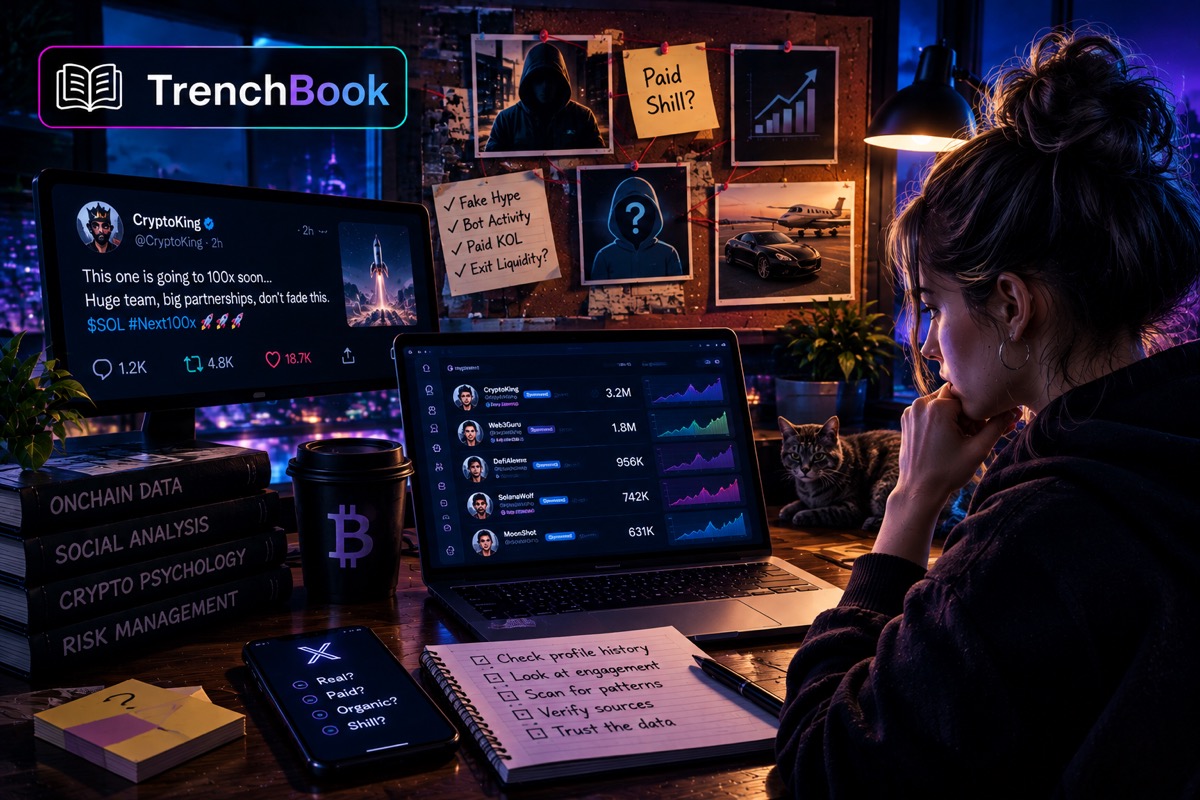
A shill tweet almost always contains at least one of five tells: guaranteed-return language, an anonymous team, sudden coordinated promotion from multiple accounts, no working product, or artificial urgency like "presale ends in 2 hours." Solidus Labs found 98.6% of pump.fun tokens show rug pull patterns, so reading past the hype matters.
Last updated: September 14, 2026
What actually makes a tweet a “shill” tweet?
A shill tweet is built to create urgency and hype rather than to inform, and it often skips disclosure of whether the poster was paid or already holds the token.
Not every promotional post is dishonest, but the ones designed to rush a decision share a recognizable set of patterns.
Learning to spot those patterns takes less time than the average trade takes to go wrong.
What language patterns should make you pause?
Cointelegraph’s breakdown of shilling red flags singles out overhyped promises like “100x potential” or “guaranteed returns” as the clearest tell, noting plainly that “the bigger the promise, the bigger the red flag.”
The same piece flags anonymous or unverifiable teams as a second major signal, since a project with no identifiable members, fake names, or stock-photo profiles has nothing to hold accountable if the promise doesn’t hold up.
How do you check if the promotion is coordinated?
Coordinated promotion looks different from organic interest once you know what to look for: multiple unrelated accounts posting about the same token within a short window, often using near-identical language or the same graphic.
That pattern doesn’t prove payment changed hands, but it’s the same shape flagged in how to spot a paid crypto tweet, and it’s rare for genuine independent recommendations to cluster that tightly by both timing and wording.
What should you verify before acting on a shill tweet?
Contract address (CA), liquidity, and holder concentration, in that order, the same sequence covered in how to verify a crypto KOL’s real engagement.
A token with no working product or public roadmap relying entirely on flashy marketing is a specific red flag on its own, since a real project usually has something checkable beyond the tweet itself.
The table below lines up each red flag against the check that neutralizes it.
| Red flag | What it signals | What to check instead |
|---|---|---|
| “100x,” “guaranteed returns” | Overhyped promise, no accountability | Actual liquidity and holder data |
| Anonymous or unverifiable team | No accountability if it fails | Public history, prior projects, verified identity |
| Sudden multi-account promotion | Possible coordinated or paid campaign | Timing and wording overlap across accounts |
| No working product or roadmap | Marketing without substance | Public code, live product, whitepaper |
| Countdown, “limited spots,” urgency | Designed to skip verification time | Slow down; the deal doesn’t need speed |
Why does urgency language matter so much?
Because it’s engineered to close the gap between seeing the post and buying, which is exactly the window needed to run any of the checks above.
A tweet claiming “presale ends in 2 hours” or “only 1,000 spots left” is asking for a decision before verification is possible, and as the same red-flags research puts it, “solid investments don’t need fake urgency” to move fast.
The urgency itself is information: it tells you the poster doesn’t want you to think first.
So what’s the actual reading process?
Read the tweet for language first, since guaranteed returns and countdown pressure are visible before any research starts.
Check the team’s visibility second, since an anonymous team removes any accountability if the claim is wrong.
Then verify the contract address, liquidity, and product before treating any of it as more than an unverified claim.
Oliver Cade is Head of Growth at Trenchbook, where he covers on-chain trading mechanics and market structure. Find him on X at @oliver_lad.
NFA: This article is for informational purposes only and is not financial advice. Verify contract addresses, liquidity, and team information independently before trading.
Questions
What is a shill tweet?
A shill tweet is a post promoting a token or project in a way designed to create hype and urgency rather than inform, often without disclosing that the poster was paid or holds the token themselves.
What are the most common red flags in a shill tweet?
Guaranteed-return language such as "100x potential," an anonymous or unverifiable team, sudden promotion from multiple unrelated accounts at once, no working product or roadmap, and artificial urgency like a countdown or limited spots.
How can you tell if a promotion is coordinated across accounts?
Check whether several accounts posted the same token within a short window using similar language or the same graphics, since organic recommendations rarely cluster that tightly in both timing and wording.
What should you check before acting on a shill tweet?
Verify the contract address against the project's official channels, check liquidity and holder concentration on a block explorer, and look for a working product or public code before treating the tweet as anything more than an unverified claim.
Why does urgency language in a tweet matter so much?
Urgency is designed to shorten the time between seeing the tweet and buying, which is exactly the window needed to run even basic verification checks, so a tweet pushing immediate action is worth slowing down for rather than speeding up on.
The booking details for this shape are at /read-kol-calls.
Related notes